
Part identity
Listings distinguish OEM and aftermarket parts and surface the available part-number and fitment context.
KICKBACK is not an open classifieds board. Each listing enters through a controlled intake, documentation, and fulfillment workflow designed for high-value automotive parts in Los Angeles.
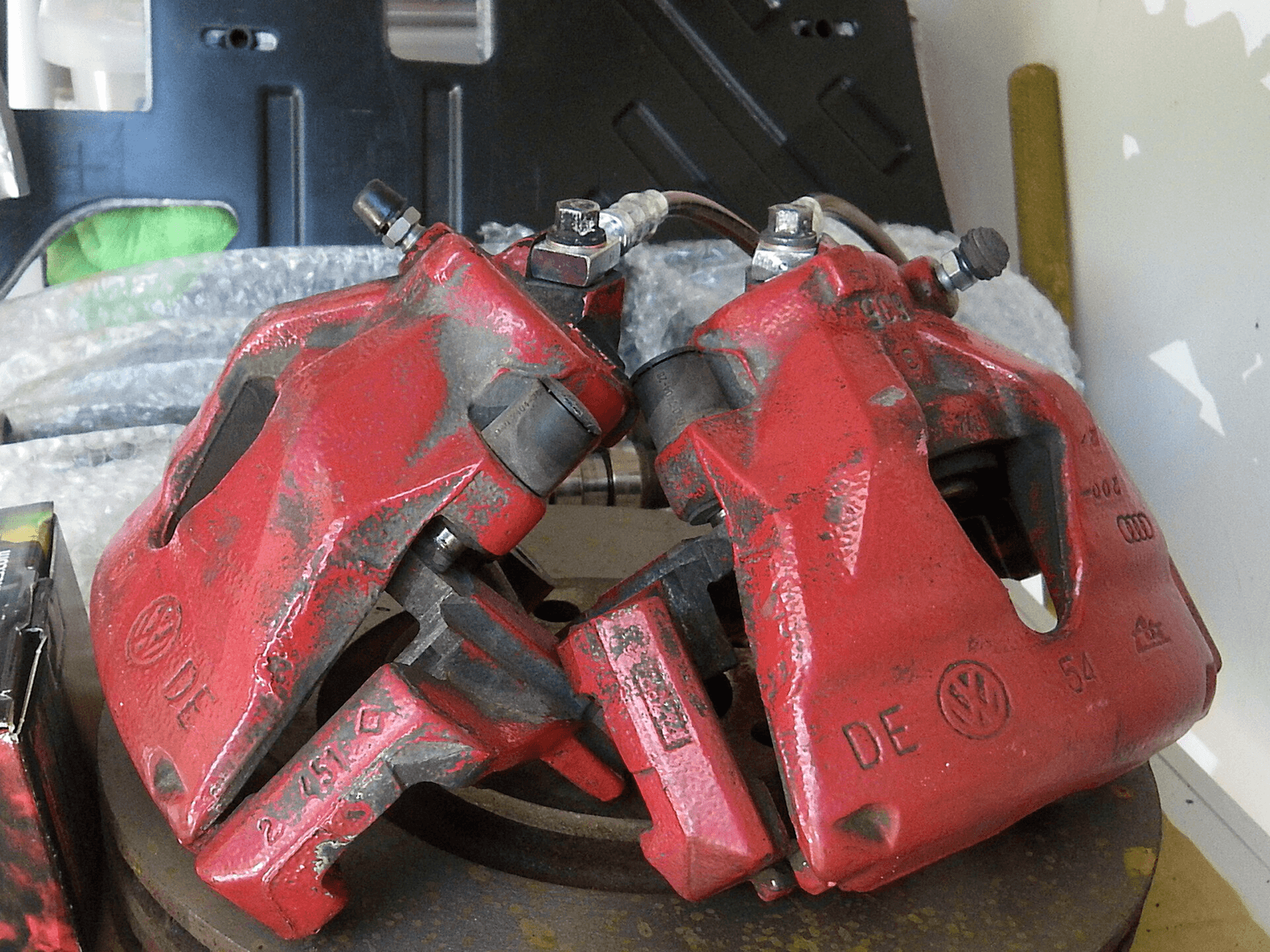
Identity, condition, fitment context, photos, fulfillment, and post-sale support.
Buyers should be able to see what a part is, what is included, how it looks, and what still needs confirmation before committing to a purchase.
Listings distinguish OEM and aftermarket parts and surface the available part-number and fitment context.
Photo coverage, wear notes, included hardware, and known gaps stay close to the listing.
Core product data and marketplace photos are reviewed before a part is published for sale.
QR-backed custody and warranty records help keep the physical part connected to its workflow.
KICKBACK tracks a detailed internal lifecycle. This is the buyer-facing view of the checkpoints that matter before and after checkout.
The owner or shop provides part identity, condition, fitment, and ownership context.
KICKBACK reviews the submission, pricing path, and agreement before custody moves forward.
Pickup or intake records connect the part to the Los Angeles warehouse workflow.
Condition, fitment, photography, and listing details are prepared for buyer review.
The reviewed listing is published and payment stays inside the KICKBACK marketplace.
Packaging, carrier handoff, tracking, delivery, and post-sale support remain documented.
Checkout is administered through KICKBACK and its payment provider.
Operations reviews packaging, part value, carrier choice, and route needs.
Carrier tracking appears once the warehouse confirms the shipment.
Eligible buyers can activate the 7-day Limited Warranty by scanning the included QR within 48 hours of confirmed delivery.
The pages below explain the exact buyer checks, limitations, support paths, and policy windows behind the KICKBACK marketplace.